
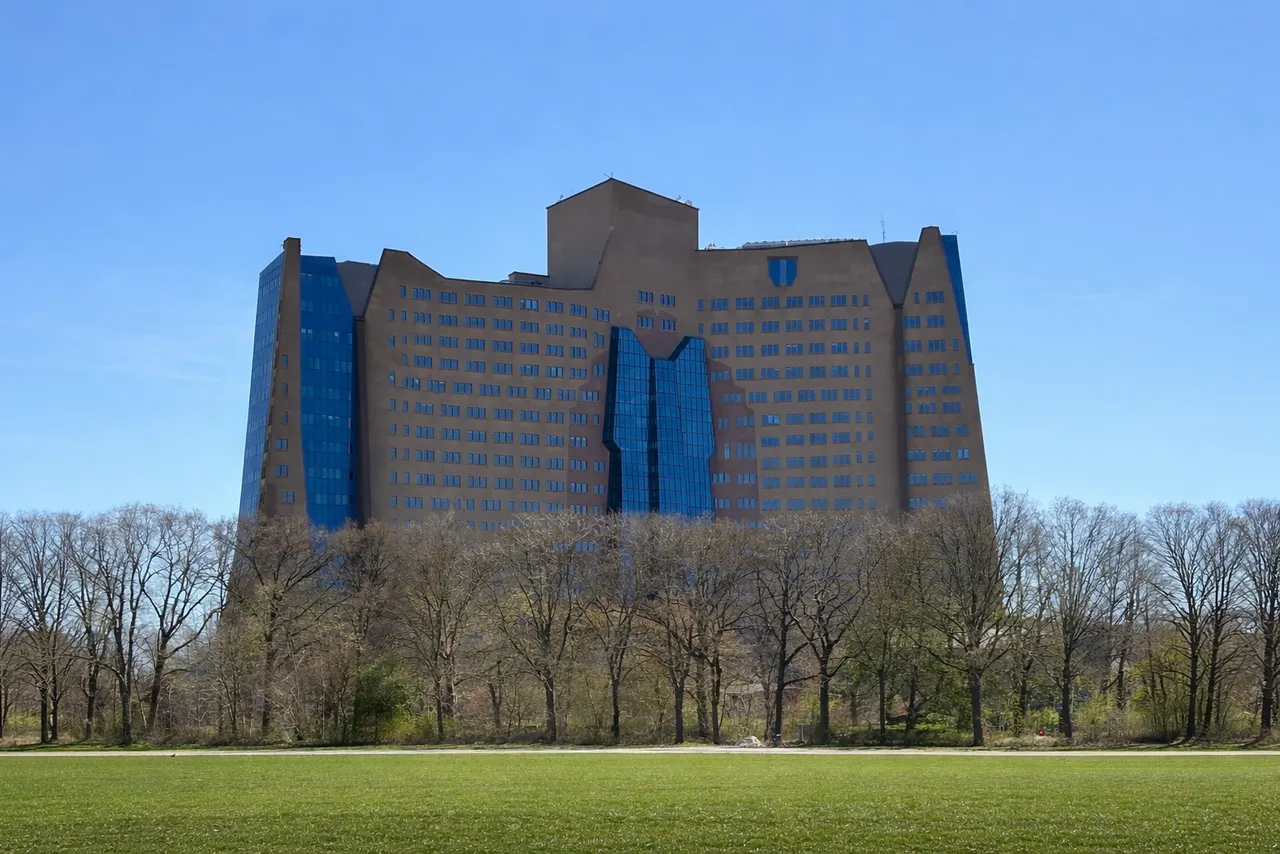
From three core values to recognisable behaviour
More than 700 employees each described what a new culture means in their everyday work. The result became a culture compass.
Read the case study for GasunieApplication Making use of employees' knowledge
Employees often know exactly where things could be better. Let them actively contribute, discover concrete opportunities for improvement and increase their engagement with the organisation at the same time.
The occasion Improving the organisation
Improvement programmes are often devised by a small group. The knowledge and ideas of the people who do the work remain untapped.
In a dialogue, employees put forward opportunities for improvement themselves and vote on each other's ideas. You see which improvements are broadly supported, and employees see that their input matters.
The approach 3 steps
We guide every step. What we mainly ask of you is substance: two meetings beforehand and a co-moderator during the session.
Together we word a question that invites concrete ideas, for example about processes, collaboration or customer focus.
Employees anonymously put forward ideas, respond to each other and vote on the best proposals.
The outcome shows which improvements are broadly supported, so you can choose where to begin.
Curious what participants see on their screen during the session?
See the participant screenWhat you receive 4 parts
You see the main themes during the session itself. The synthesis follows the same day.
Cases In practice
Read what the dialogue delivered in each project.
More than 700 employees each described what a new culture means in their everyday work. The result became a culture compass.
Read the case study for Gasunie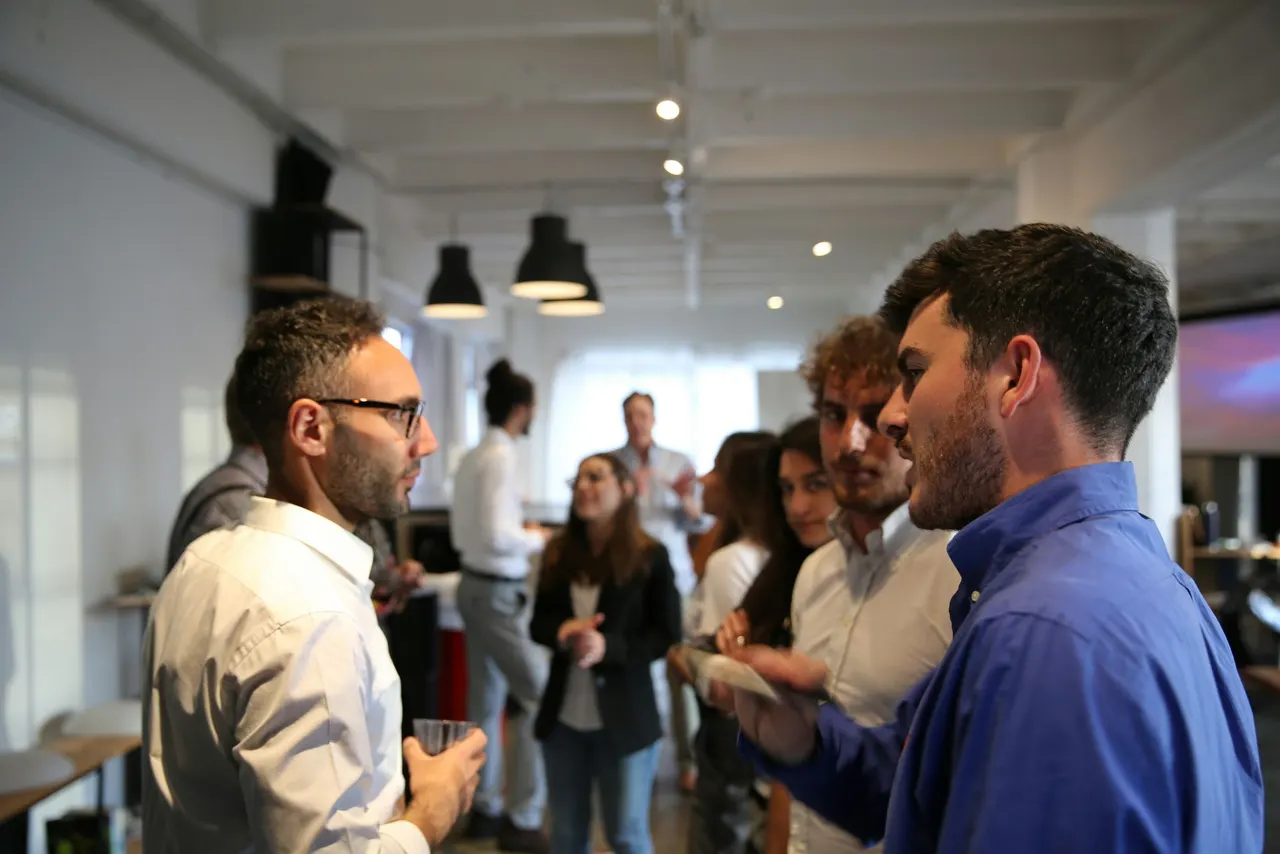
For the Enforcement Strategy, SZW heard enforcers and citizens on one day, each in a dialogue of their own.
Read the case study for Dutch Ministry of Social Affairs and Employment (SZW)
Care organisation Westerkim shifted its focus from care to residents' wellbeing. Employees, volunteers and family helped determine the direction.
Read the case study for WesterkimIs your question not listed? Ask it in an introductory call.
Employees do not just contribute ideas, they also see that their ideas are taken seriously. That active contribution is part of how the organisation becomes stronger.
Based on the outcome you choose which improvements to take up, and report back to the participants.
Participants rate each other's ideas anonymously. That shows which opportunities for improvement are broadly supported, and which live only with a small group.
Every application works with the same live dialogue.
Make sensitive experiences and day-to-day practice open to discussion, including for people who are rarely heard.
Discover what is broadly supported for the course, understand what change demands in practice and adjust based on what works.
Let residents, students and other stakeholders contribute substantively to policy and public issues.
Understand what lies behind the figures, make use of employees' knowledge and give the works council a strong voice.
In a demo we show you how your question works as a dialogue: what you ask, who you invite and what you'll have at the end.