

Professionals and citizens, each heard separately on new policy
For the Enforcement Strategy, SZW heard enforcers and citizens on one day, each in a dialogue of their own.
Read the case study for Dutch Ministry of Social Affairs and Employment (SZW)Sectors 4 sectors
Every sector has its own moments when participation counts: the school plan, the environmental vision, the quality framework. We fit into the calendar you already have.
For each sector you see at which moments a dialogue fits and what it delivers.
School plan, safety monitoring and consultation with the professional field, with demonstrable input from the groups that matter.
View: educationParticipation that goes beyond comment forms and the usual faces at the public consultation evening.
View: municipalitiesClient participation and professional voice that also reach the night shift and the quiet groups.
View: healthcareConsult on, evaluate and make policy workable, from citizens to the dialogue between central government and implementing agencies.
View: governmentCases Education and government
From policy-making with citizens to strategy with an entire healthcare organisation.
For the Enforcement Strategy, SZW heard enforcers and citizens on one day, each in a dialogue of their own.
Read the case study for Dutch Ministry of Social Affairs and Employment (SZW)
During the coronavirus pandemic, the ministry had 150 managers learn remotely from each other's ways of working. A video call became a conversation with everyone at once.
Read the case study for Dutch Ministry of Justice and Security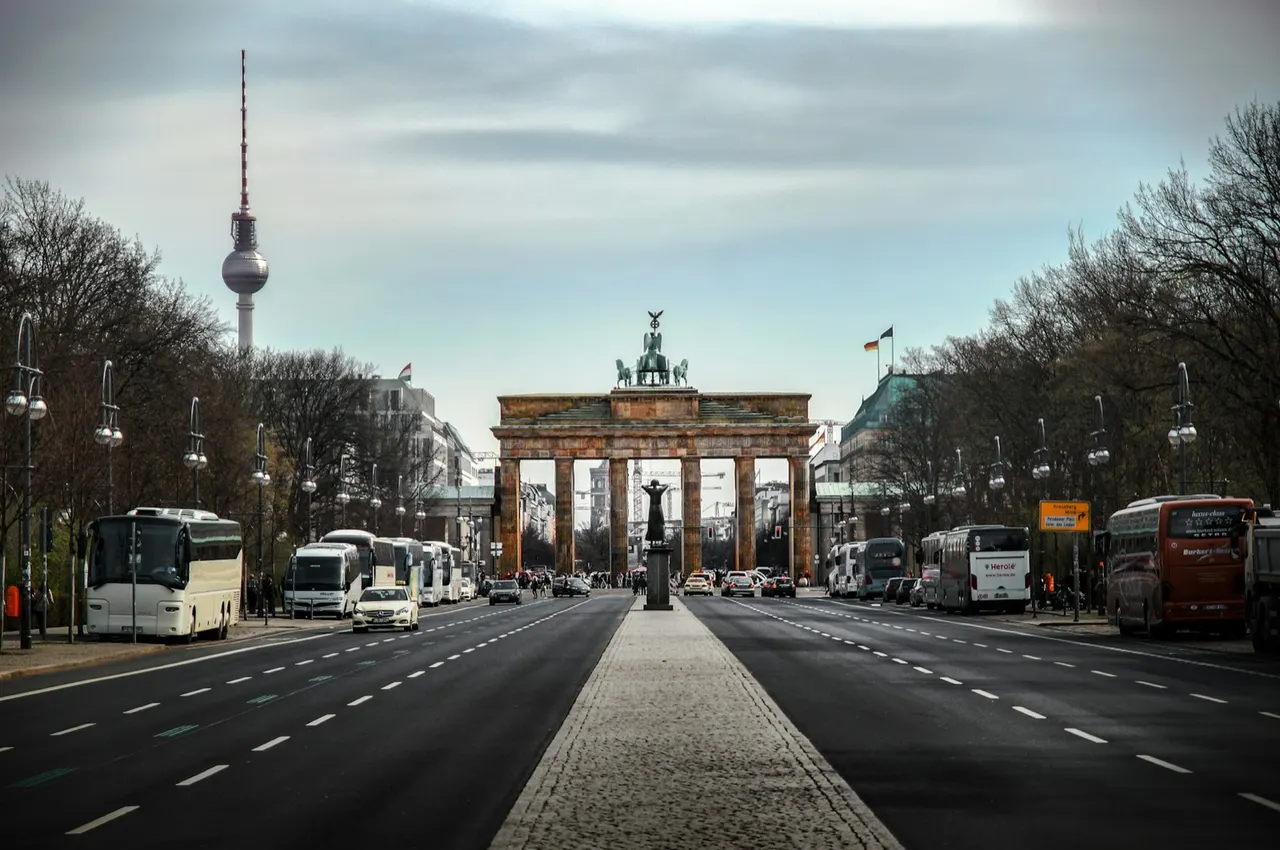
After a review of foreign policy, the German ministry gathered input from more than 350 employees worldwide, on culture and direction.
Read the case study for German Federal Foreign OfficeIs your question not listed? Ask it in an introductory call and we will go through it together.
Every written message is rated by other participants. A message first goes to four others; with a lot of support it spreads step by step to the rest. That way participants' messages become the answer options that others vote on. That gives you a fuller picture than separate open questions.
Almost every dialogue touches on things people do not easily say out loud in a group, because they are critical, controversial or simply feel awkward. We know from experience that anonymity increases both the honesty and the depth of the conversation.
Yes. Everyone takes part in their own language. Thanks to real-time translation we work with more than 120 languages, even mixed together in a single session.
A dialogue makes sense once a group no longer fits in one meeting room. For sensitive topics, for example within a team, the dialogue is a safe place to speak freely, and it works from 8 people. At the upper end, up to 10,000 people take part at once.
Upvoice stores no personal data. Every participant gets a random code; a single functional cookie keeps the session together.
Yes. Every participant gets a random code instead of a name. Nobody can trace a message back to a person, not even us. Reporting per segment only happens for groups of at least eight people.
In two ways. With a licence you work on Upvoice, the Synthetron platform, yourself: we train your team and run the first session together. For a single project you choose full service, and we take care of everything. Your participants only need a link.
That depends on how often you run a dialogue, with how many people and how much guidance you want. With a licence, the cost per session is lower than with separate projects. After an introductory call you get a tailored proposal.
In a demo we show you how your question works as a dialogue: what you ask, who you invite and what you'll have at the end.