
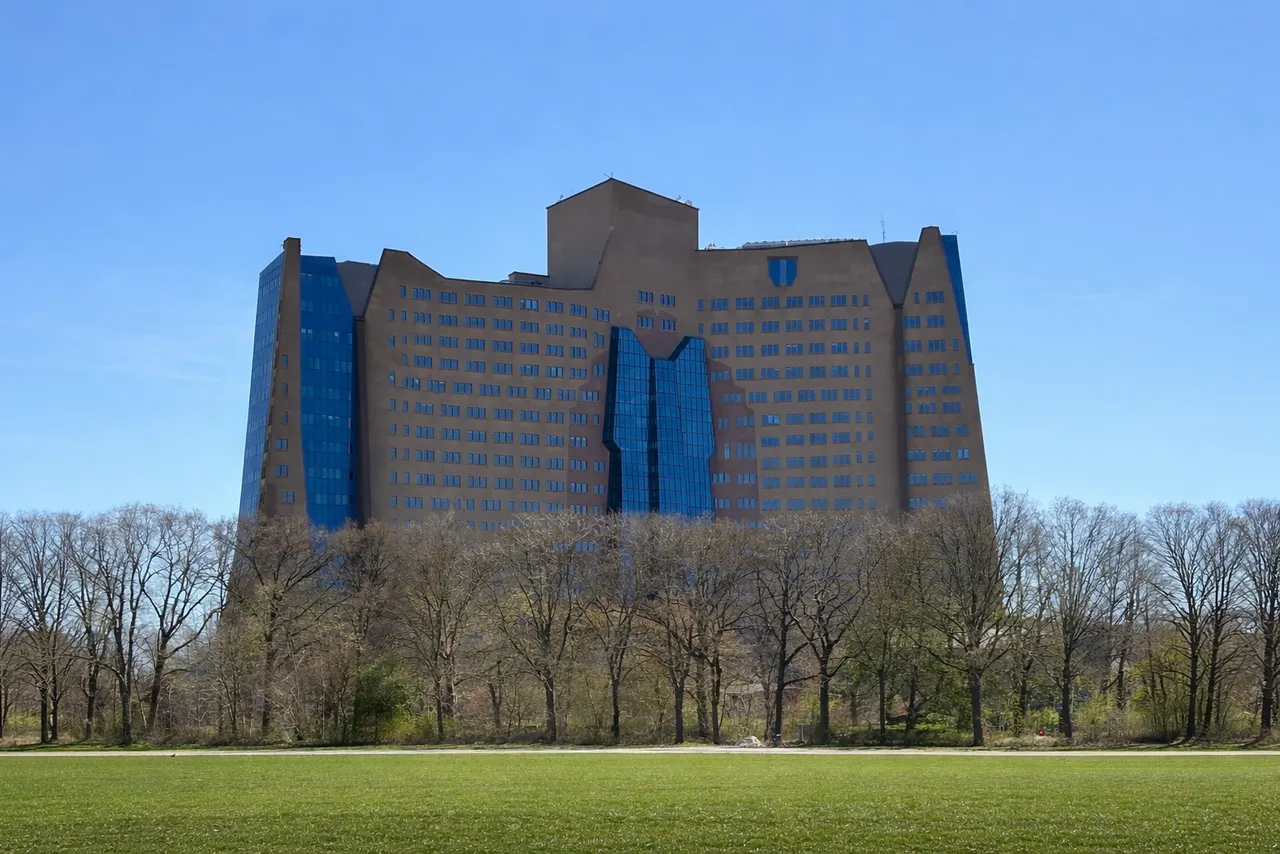
From three core values to recognisable behaviour
More than 700 employees each described what a new culture means in their everyday work. The result became a culture compass.
Read the case study for GasunieApplication Room for quiet voices
Some topics are not easy to discuss in a meeting. In an anonymous dialogue, people share what they really think, and you see which perspectives many people share.
The occasion Opening up difficult topics
With sensitive or charged topics, you mainly hear the people who take the floor easily. Those who doubt or hold a minority position stay silent.
Because everyone takes part anonymously and votes on each other's contributions, quiet perspectives also come to the surface. You see what is broadly supported and where people think differently.
The approach 3 steps
We guide every step. What we mainly ask of you is substance: two meetings beforehand and a co-moderator during the session.
We word the question so that everyone feels free to respond, and decide who takes part.
Participants write anonymously and vote on each other's contributions. Nobody sees who wrote what.
The outcome shows what is broadly supported, with attention to the perspectives of smaller groups.
Curious what participants see on their screen during the session?
See the participant screenWhat you receive 4 parts
You see the main themes during the session itself. The synthesis follows the same day.
Cases In practice
Read what the dialogue delivered in each project.
More than 700 employees each described what a new culture means in their everyday work. The result became a culture compass.
Read the case study for Gasunie
For the Enforcement Strategy, SZW heard enforcers and citizens on one day, each in a dialogue of their own.
Read the case study for Dutch Ministry of Social Affairs and Employment (SZW)
Care organisation Westerkim shifted its focus from care to residents' wellbeing. Employees, volunteers and family helped determine the direction.
Read the case study for WesterkimIs your question not listed? Ask it in an introductory call.
Topics people are reluctant to discuss in an ordinary meeting, for example inclusion, workload or the relationship with managers.
Each participant receives a random code instead of a name. Reporting per group only happens from eight participants.
No. The question is aimed at what is needed, and participants vote on each other's ideas. That brings up what is broadly supported, not who shouts loudest.
Every application works with the same live dialogue.
Make sensitive experiences and day-to-day practice open to discussion, including for people who are rarely heard.
Discover what is broadly supported for the course, understand what change demands in practice and adjust based on what works.
Let residents, students and other stakeholders contribute substantively to policy and public issues.
Understand what lies behind the figures, make use of employees' knowledge and give the works council a strong voice.
In a demo we show you how your question works as a dialogue: what you ask, who you invite and what you'll have at the end.